Best AI Tax Software for Finance Teams

For too long finance teams have relied on a fragmented suite of tax tools, manual processes, and tax teams struggling to keep up with ever-changing tax rules and laws. In the US, you may be managing sales tax nexus in 15 states, with new ones coming online tomorrow. If you sell internationally, that effort multiplies exponentially.
This isn’t sustainable for growing businesses, and finance teams are stretched. That’s where artificial intelligence tax solutions come in.
This guide breaks down the best AI-powered tax tools. We'll show you which platforms handle continuous compliance, which ones reduce tax prep time, and which ones your team can implement without a grueling six-month rollout.
We’re Seeing a Turning Point for Modern Tax Operations
Tax Work Is Still Built Around Manual Assumptions
Most tax workflows still run on spreadsheets, rule-of-thumb logic, and periodic reviews. This generally means your team downloads transaction data, manually categorizes products, and applies tax rates based on rules they looked up three quarters ago. You might check sales tax nexus once per year, or update tax codes when a customer complains they were charged the wrong tax. Or you may outsource it all to an expensive sales tax accounting firm.
As your business grows, manual tax compliance simply doesn’t scale.
Growth Turns Tax Into a Continuous Process
Tax compliance isn’t quarterly anymore. Every sale potentially creates a tax obligation. Hit $100,000 in sales in Colorado? You’re required to collect sales tax there. Expand internationally? You have to learn a whole new tax system.
This shift from periodic tax prep to continuous compliance is why finance teams are drowning. You can't review nexus once a year when every transaction might create nexus. You can't update tax rates annually when they change year round. You need systems that monitor, calculate, and comply in real time. That's where AI-driven sales tax solutions come in.
Where AI Is Being Successfully Used in Tax Workflows Today
In Automated Workflows Replacing Manual Tax Prep
AI tools eliminate manual workflows. Instead of manually entering data into tax forms, AI pulls transactions directly from your billing systems. It categorizes products, applies correct tax codes, and fills out returns automatically. A process that once took days now takes minutes.
AI’s value is in its consistency and time savings. It doesn’t forget to check exemptions or use last year’s rates. And it applies the same logic to transaction one as it does to transaction 10,000. And it eliminates the need for time-consuming manual work.
AI Support for Tax Research and Tax Questions
Most tax teams spend time manually researching complicated tax questions. Or outsourcing to third-party experts. But now AI tax assistants now answer these questions in seconds. They reference state tax codes, guidance and letter rulings to provide accurate answers. When a state changes its SaaS tax rules, AI knows immediately. When a state issues a letter ruling clarifying the taxation of SaaS products, AI catches it.
Real-Time Compliance Across Jurisdictions
Today’s sales tax landscape requires real-time monitoring. AI watches your sales continuously. It tracks nexus thresholds, monitors registration deadlines, and flags compliance gaps before they become penalties. With AI, you’ll know you’re approaching nexus, not that you hit it sometime last year and now owe big.
For companies selling globally, real-time monitoring is crucial. VAT rules in Germany differ from GST rules in Australia. AI handles these differences automatically, applying correct rates and preparing proper documentation for each jurisdiction.
The Best AI Tax Software Tools for 2026
For Global SaaS and Cross-Border Tax Compliance – Sphere
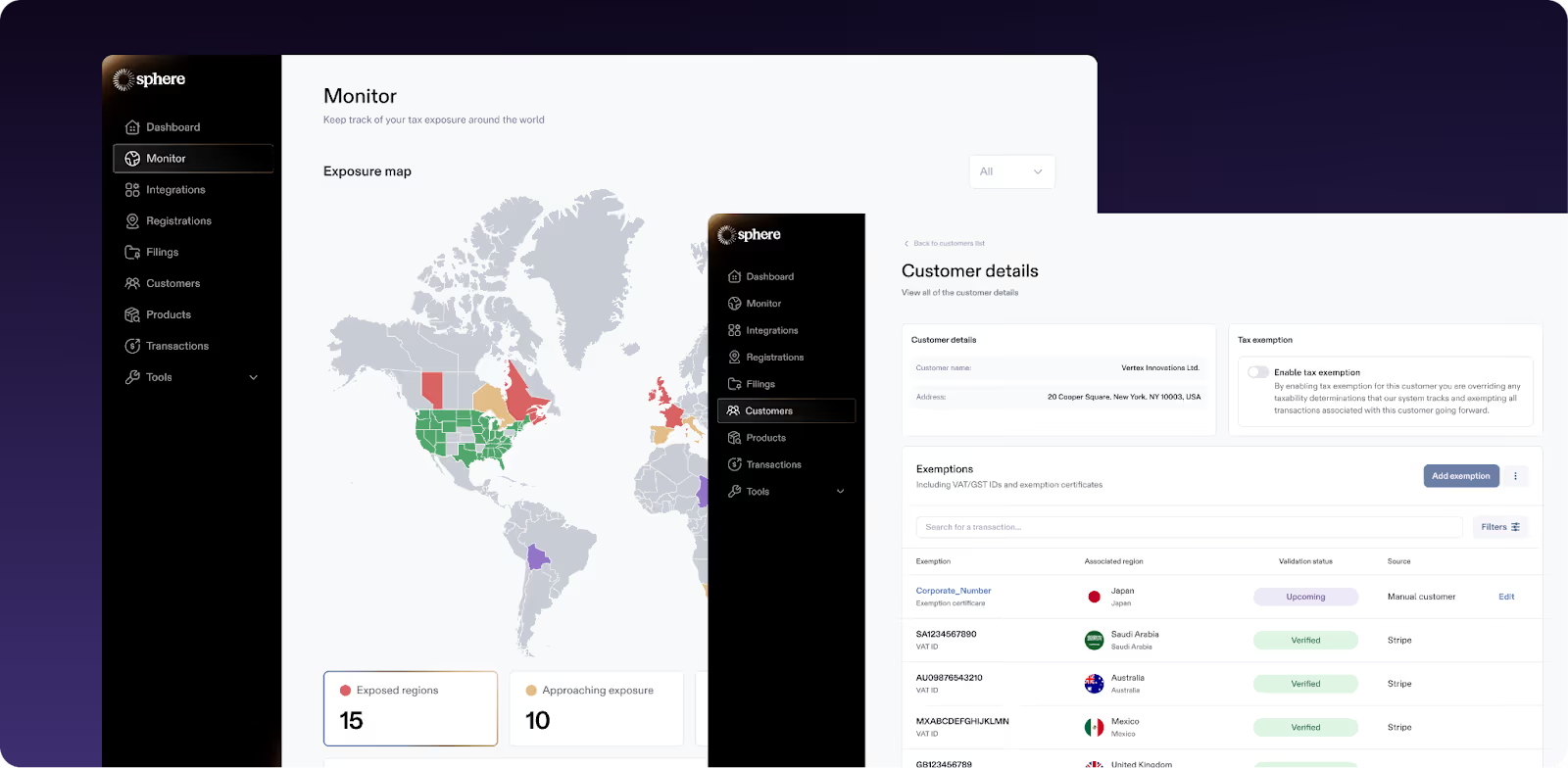
Sphere built an AI-powered tax compliance from day one. Their Tax Review and Assessment Model (TRAM) continuously indexes global tax law, automatically applying correct treatment to every transaction. You don't need to hire experts to research whether your SaaS product is taxable in Singapore. Sphere already knows. And if those tax laws change, Sphere knows that instantly, too.
The platform handles sales tax, VAT, and GST in one system. Unlike other solutions, there are no third-party networks or separate tools for different countries. Register in a new jurisdiction, and Sphere manages calculations, filings, and remittance automatically. Their flat $100 per jurisdiction pricing means no surprise overages when you scale.
Best for: Companies selling globally or planning international expansion. Teams that want one system for all indirect tax compliance at a fair price.
For US-Only Nexus Forecasting and Early-Stage Compliance – Kintsugi
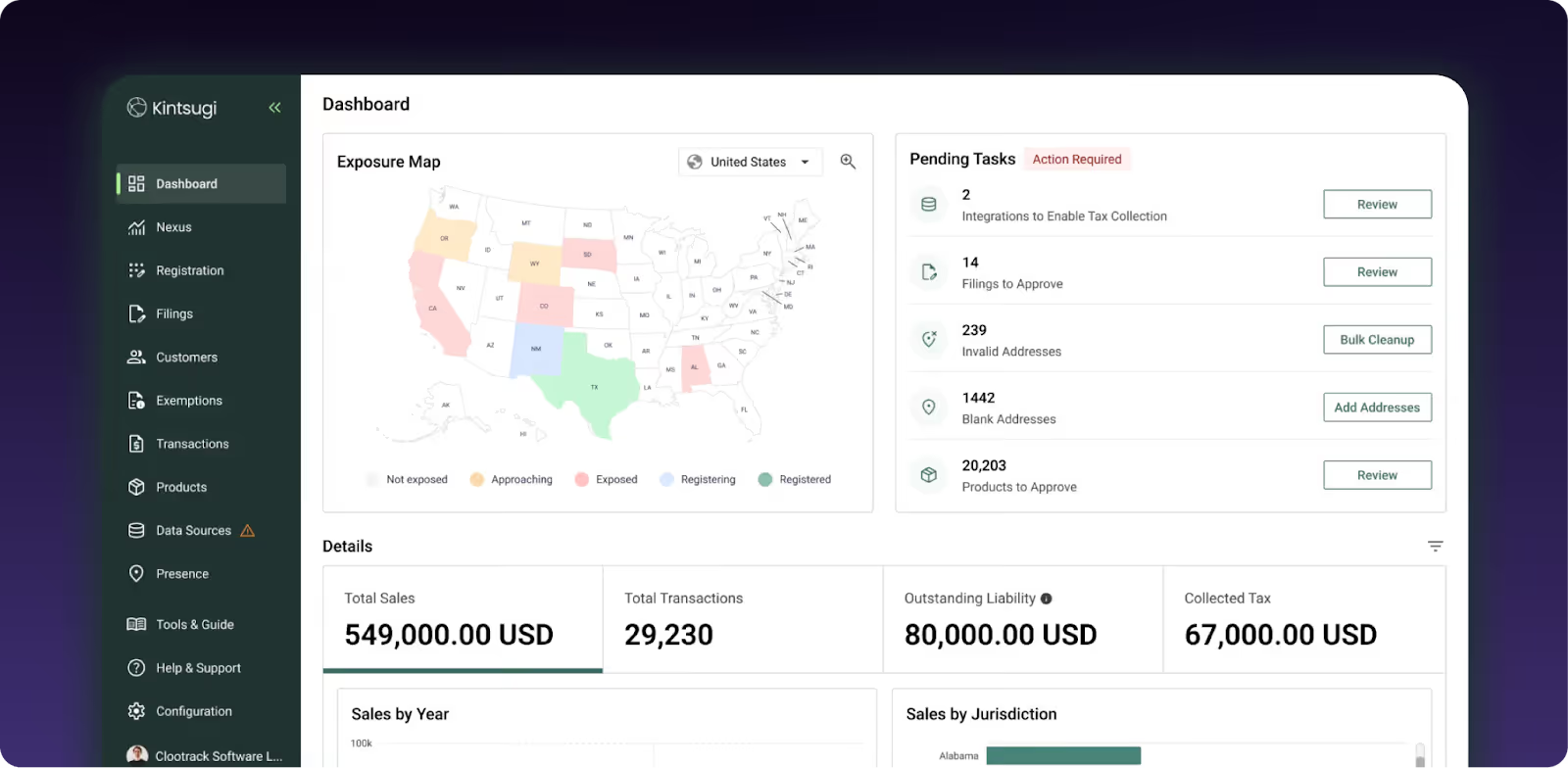
Kintsugi uses AI to predict when you’ll hit US sales tax nexus. Their AI analyzes your sales patterns and forecasts exactly when you'll cross thresholds in each state. This gives you time to register and prepare to collect instead of scrambling after the fact. The platform integrates with Shopify, Stripe, and Amazon, pulling data automatically.
Their free plan covers basic nexus tracking, making it accessible for early-stage companies. But note that Kintsugi is US-only and you'll need additional tools for international sales.
Best for: Early-stage US-focused ecommerce and SaaS companies monitoring initial nexus exposure.
For Enterprise-Scale Indirect Tax Infrastructure – Avalara
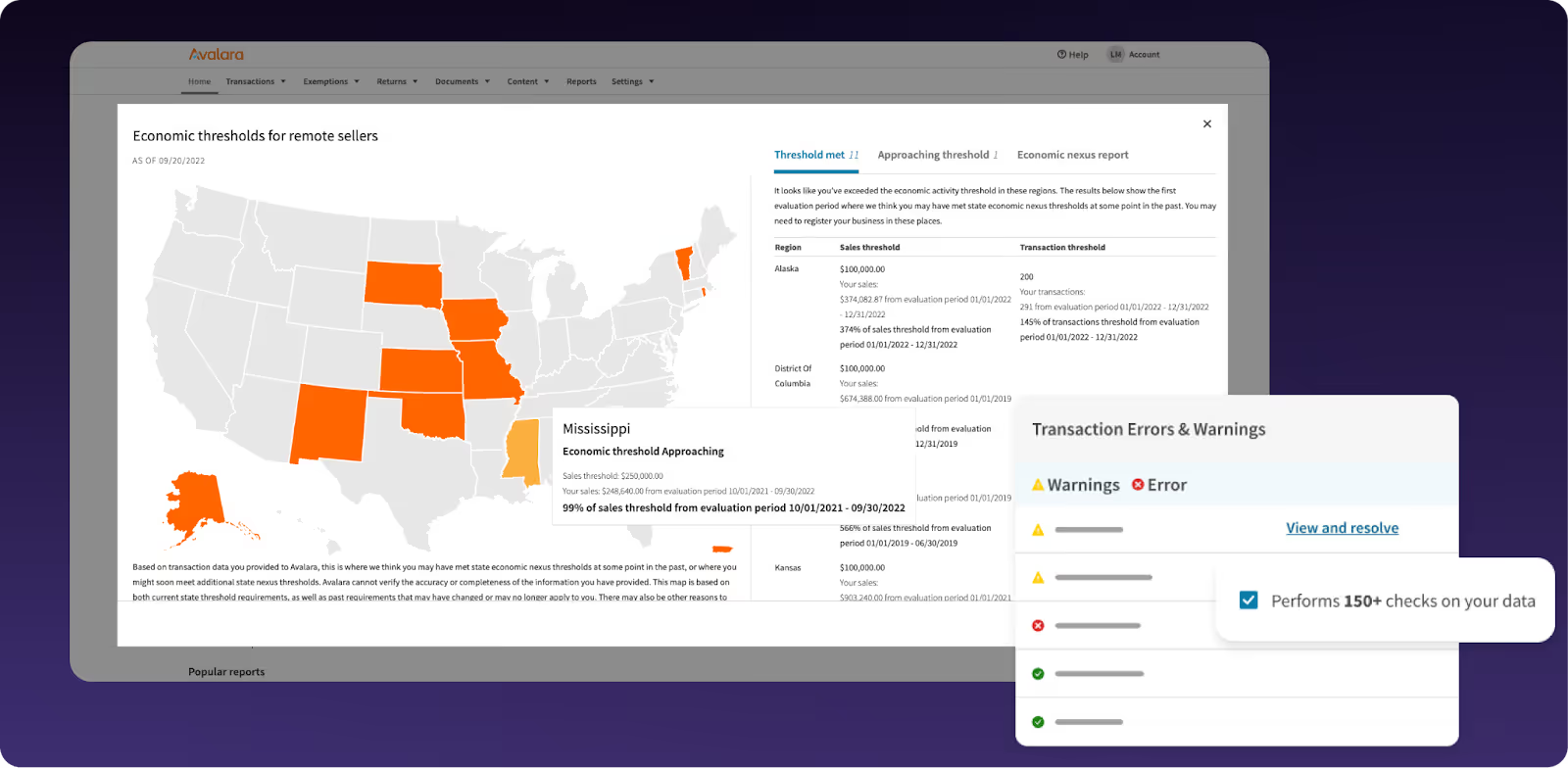
Avalara is the legacy provider for US sales tax.
Large enterprises trust them for complex, multi-entity tax scenarios. If you have a robust budget for software and tax advisors, and need enterprise-grade infrastructure and coverage for uncommon taxes, Avalara can help.
Best for: Large enterprises with dedicated tax teams and complex legacy requirements.
For US SaaS Sales Tax Automation – Anrok
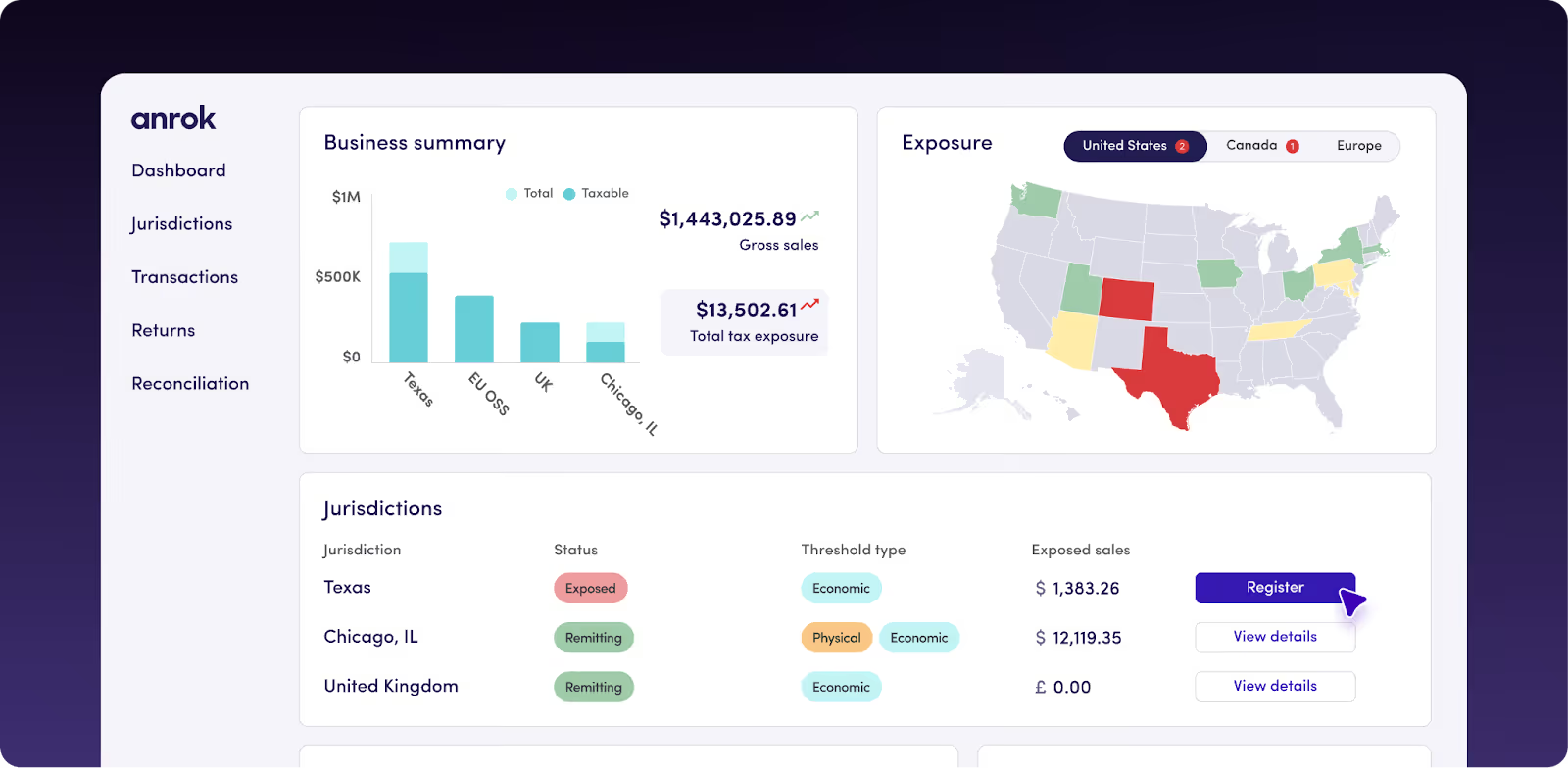
Anrok specializes in sales tax for US-based SaaS companies. The platform integrates deeply with billing tools like Stripe and Chargebee, automatically syncing subscriptions and calculating tax. Their nexus monitoring is solid, and the automation handles most standard SaaS scenarios without manual intervention.
The limitation is scope. Anrok handles US sales tax only, and was built especially for SaaS. International expansion means adding more tools and complexity.
Best for: US-only SaaS companies using modern billing platforms.
For Sales Tax Guidance and Automation – Numeral
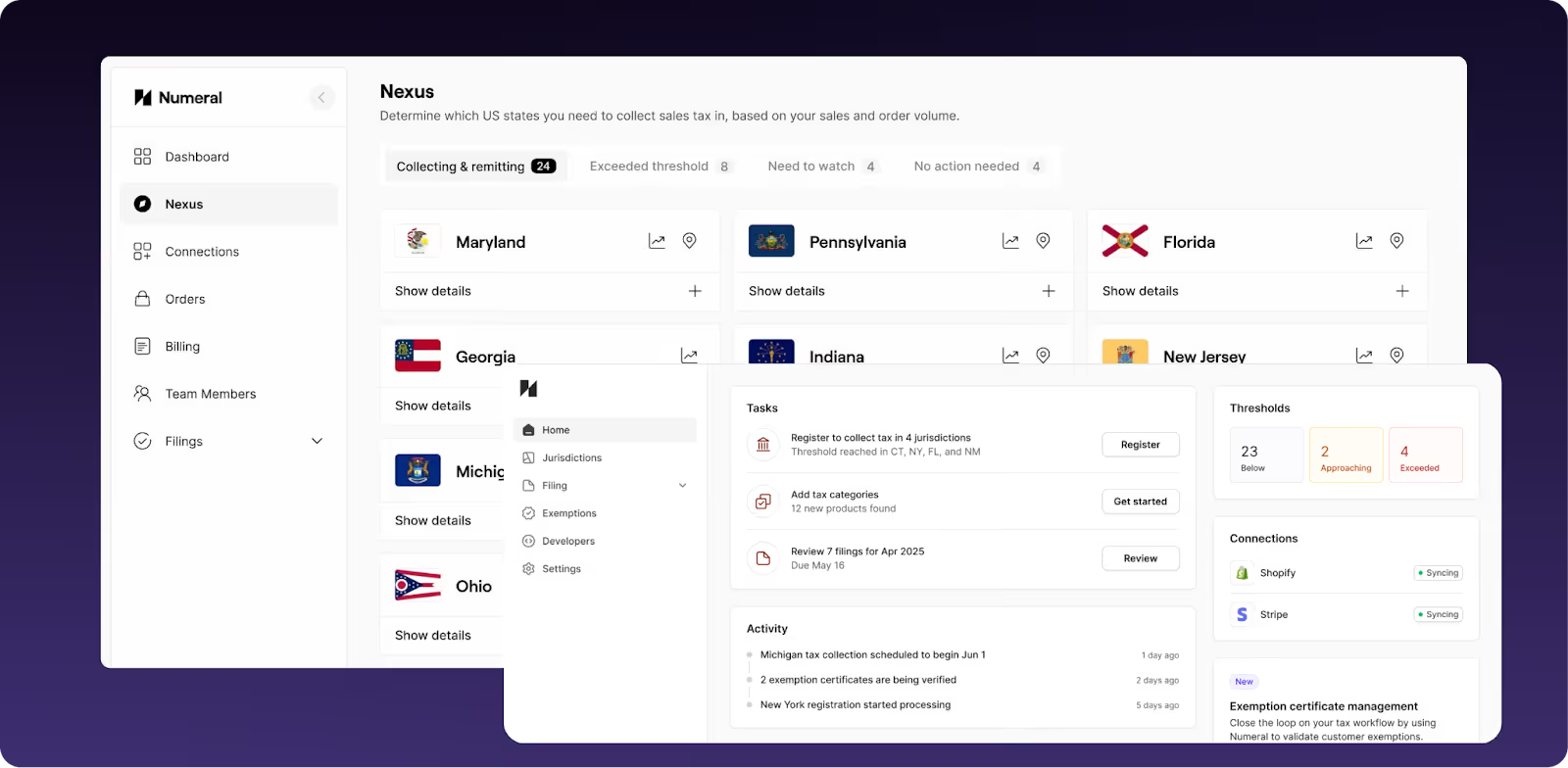
Numeral is another sales tax automation solution for small and growing ecommerce and SaaS businesses. It handles US sales tax natively, and provides core services like sales tax registration, reporting and filing. Educational resources help businesses understand their sales tax obligations.
Best for: Growing companies that want to understand their tax obligations in-house, not just outsource them.
For Managed Tax Filing and Registrations – Taxwire
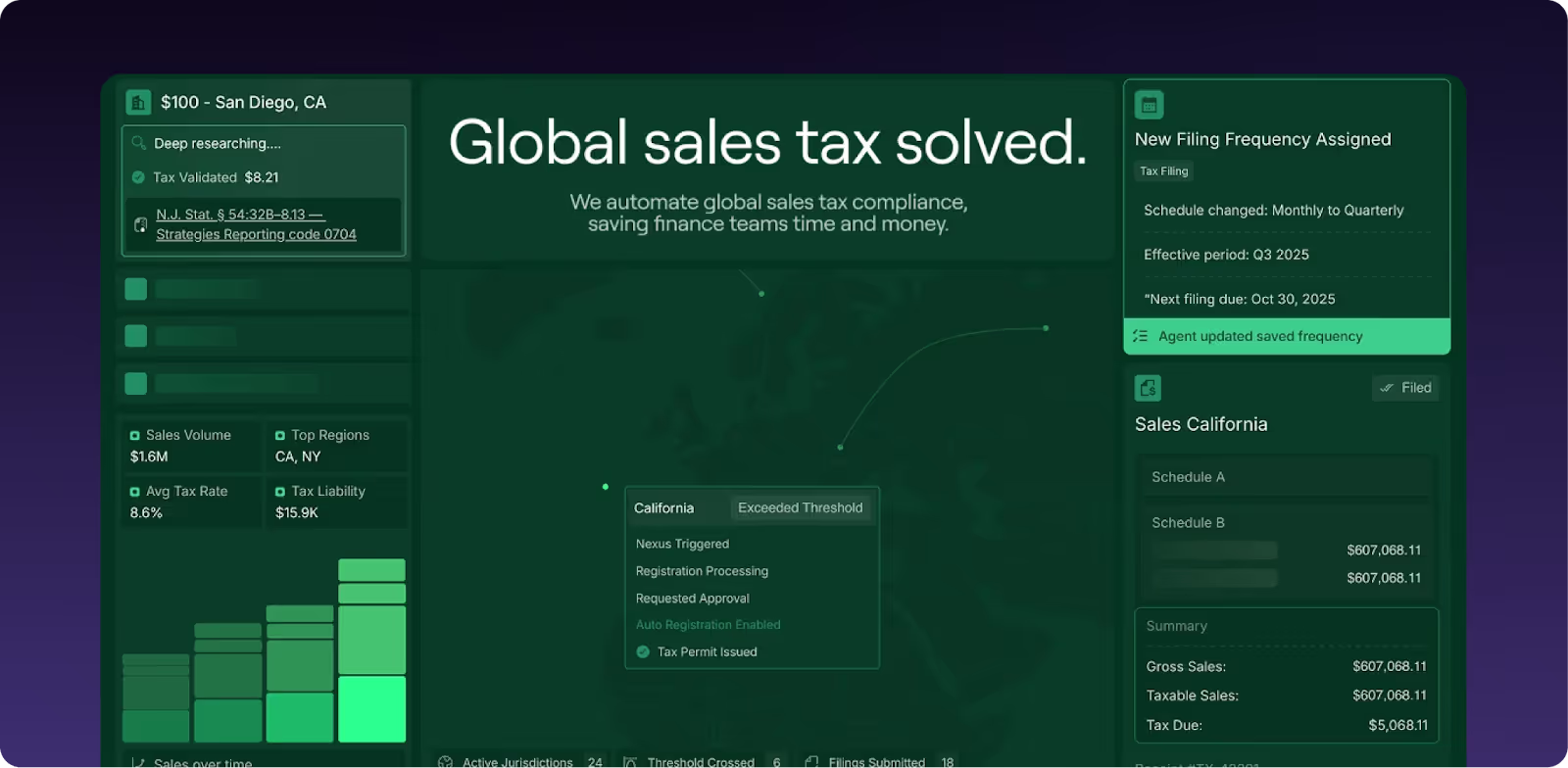
Taxwire takes a managed sales tax approach. In other words, they handle it all.
You send them your data. They register you, file your returns, and respond to notices. It's maximum convenience with minimum control. For small businesses that hate tax work, this model works.
Best for: Small businesses that want tax completely off their plate.
For Configurable Enterprise Tax Logic – CereTax
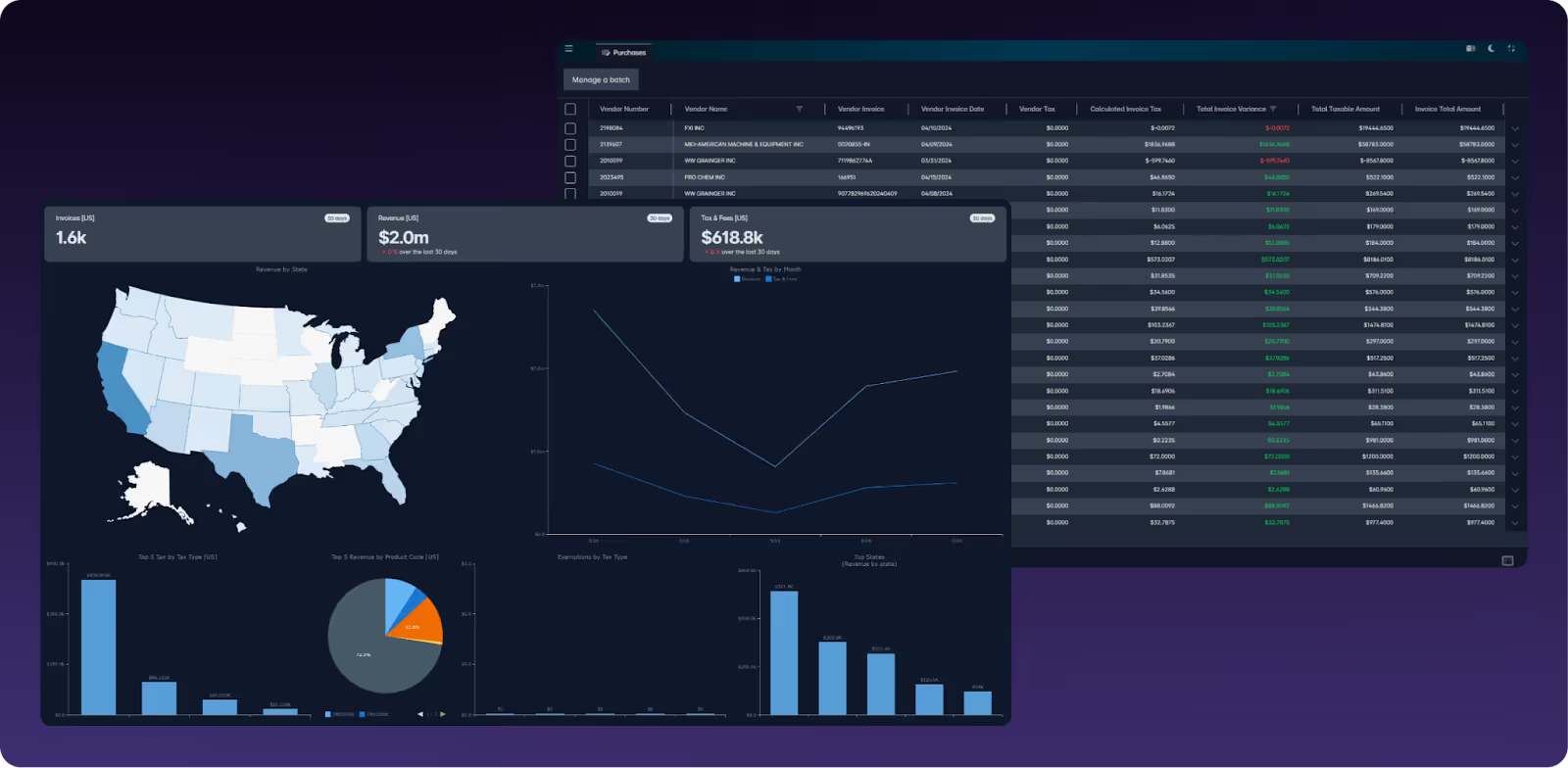
CereTax is for companies with tax requirements that don't fit in standard boxes. Their API-first platform lets you build custom tax logic for complex billing models. If you're calculating tax on usage-based pricing with multi-tier discounts across hybrid products, CereTax can handle it. But that flexibility requires significant setup and technical resources.
Best for: Enterprises with unique tax calculation requirements and technical teams to implement them.
What Factors Matter When Evaluating AI Tax Platforms
Find a Tool for Your Tax Complexity
Every business has different tax needs. Small businesses with simple products and nexus in a handful of states can use basic automation. SaaS companies with recurring billing need specialized handling. Global companies need multi-jurisdiction support from day one.
Don’t buy the sales tax solution that fits your business now. Buy the one that fits where you're going. Switching sales tax platforms mid-growth is painful. Choose a platform that handles your complexity today and your expansion tomorrow.
Look for System-Level AI, Not Just Assistants
There's a big difference between AI assistants and AI systems.
AI assistants answer questions and help with research. They’re useful, but limited. However AI systems are embedded in the entire platform. They automatically categorize products, monitor thresholds, and adapt to rule changes without manual updates.
Ask vendors how their platform really utilizes AI. If it’s simply a chatbot on top of manual processes, they’re not really AI enabled.
Pricing, Support, and Long-Term Fit
Sales tax isn’t a profit generator. And the administrative cost of handling sales tax can be a budget buster.
Some platforms charge per transaction. Others have overage fees. Many require multi-year contracts with painful exit clauses. Understand the full cost structure before committing. A "cheaper" platform that charges overages can cost more than transparent flat-rate pricing.
Support matters too. With a tax deadline looming, waiting 24 hours for help isn't acceptable. Check response times and support availability. Read what current customers say about getting help when they need it.
Making Your Decision
The best AI tax software depends on your specific needs, but patterns are clear.
Companies going global need comprehensive platforms like Sphere that handle complexity without multiple tools. US-focused businesses can succeed with specialized solutions like Kintsugi or Anrok. Enterprises with legacy requirements might stick with Avalara despite its limitations.
Whatever you choose, choose something. Manual tax work isn't sustainable. Every day you delay is another day of accumulating complexity, risk, and wasted effort. The right AI tax platform pays for itself in time saved, penalties avoided, and peace of mind gained.
Ready to modernize your tax operations? Start with a platform that matches your ambition. The best features, global coverage, and AI-first design point to one clear choice for growing companies.
Your tax compliance shouldn't hold your growth back. With the right AI tax software, it won't.