When Ramp Meets Real-Time Accounting, Finance Finally Wins

When Ramp Meets Real-Time Accounting
Ramp changed how modern finance teams manage spend. With built-in controls, automated receipts, and real-time visibility, it removed much of the manual work from expense management.
But when Ramp data flows into a legacy ERP, that efficiency often disappears.
Instead of real-time clarity, accounting teams are left rebuilding context — tracking down receipts, fixing vendor names, managing prepaids in spreadsheets, and reconciling everything after the fact. That’s not a Ramp problem. It’s an ERP problem.
At Rillet, we built a native Ramp integration to fix it. You can read our full integration guide here.
Why Ramp + Traditional ERPs Fall Apart
Ramp is designed for real-time systems. Most ERPs are not.
When ERPs can’t ingest Ramp data cleanly, finance teams lose the value of Ramp’s automation and accuracy. Receipts go missing, audit trails break, mappings become fragile, and multi-entity support turns into manual work.
The result? Slower closes and more cleanup.
Built to Match Ramp’s Speed
Rillet’s Ramp integration was designed so accounting can move as fast as spend.
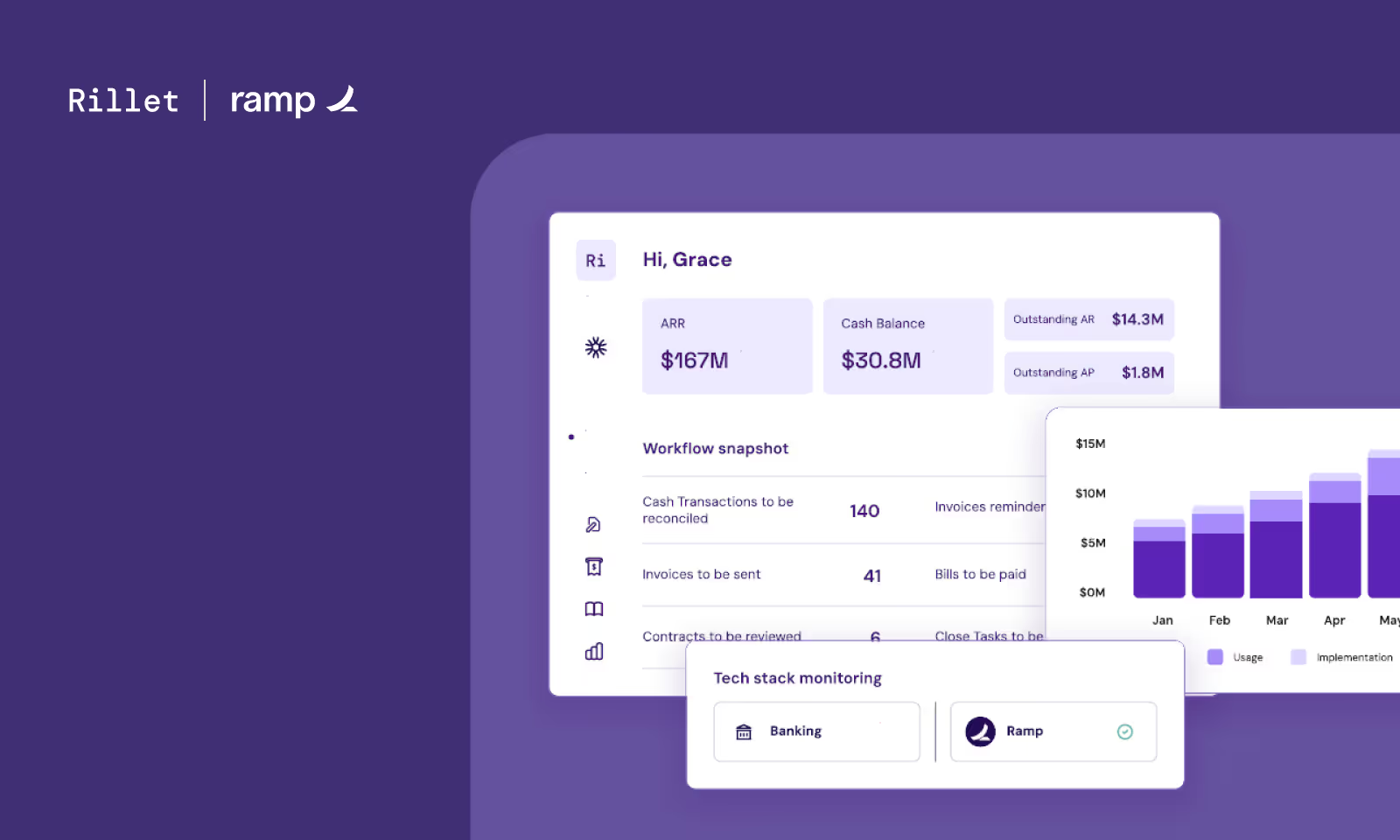
We automatically push your accounting structure into Ramp, including your chart of accounts, vendors, and custom fields, so there’s no manual setup required. Transactions, receipts, and reimbursements sync with full context, and every entry links back to its source in Ramp.
That means fewer handoffs, fewer spreadsheets, and accounting data you can trust from day one.
Automation That Goes Beyond Syncing
Rillet doesn’t just move Ramp data — it makes it usable.
Receipts and PDFs are pulled in automatically. Prepaid expenses and fixed assets are detected and handled without manual schedules. And reconciliation happens continuously with full audit trails preserved.
Why We Built This Integration
Ramp modernized how companies spend money. Rillet modernizes how they account for it.
Together, they give finance teams real-time visibility, automated documentation, and a faster close — without adding more tools or manual processes.
.png)

.avif)